


Also called school aversion and school phobia, related episodes can negatively affect families’ lives. Our Happiness Formula columnist helps us sort through the whys – and possible fixes
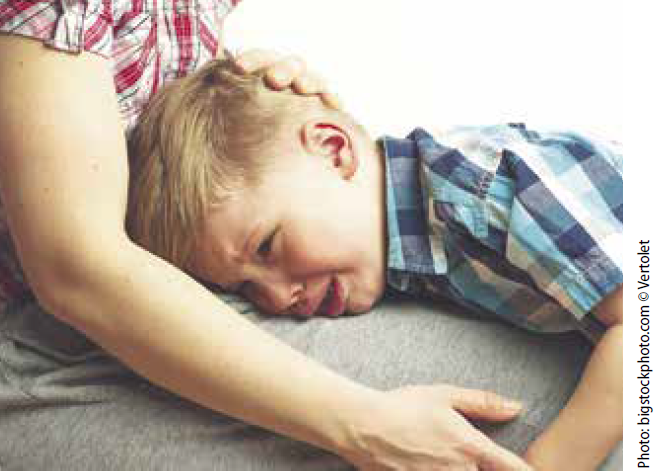
The temper, anger and crying outbursts that occur after
school are physical outlets for suppressed feelings.
The back-to-school season is an exciting time for many families, but not without exception.
Is your child holding onto your pant leg for dear life? Is he not wanting to get up in the morning? Is she experiencing crying jags before or after school?
At some point, most parents have experienced such episodes with their kids borne of fatigue, feeling ill or facing the unknown of a new school or teacher. Generally speaking, these situations pass as rest, wellness and familiarity emerge, restoring balance in the child’s life situation.
Other times, the distress persists. It is then that parents and caretakers need to take a good look at what is causing this unhappiness.
Physical challenges: Perhaps your child is having trouble seeing or hearing. There may be another issue at play, whether neurological, allergy-centric or psychological.
Together with their teacher, parents can take necessary steps to ease the distress your little one is feeling. Once changes are made, going to school will become a positive experience.
Overwhelm: Your son enjoys his own company or prefers a friend or two with whom to spend time.
For this child, the idea of having to be with 20-plus kids in a confined space for long periods can create unease and great discomfort.
Knowing your child and communicating with their teacher is crucial (for more on this, see Sheryl Bennett-Wilson’s story, “Dream team,” on page XX of this issue). Creating space, whether it’s a quiet corner or having class timeouts can address the need for solitude.
Stimulation plus: An overstimulating environment can also play havoc with children who are used to and prefer a quieter environment. They may feel they’re entering a chaos zone where sound, colour and movement mixed in with a teacher’s instructions – clear and unclear – can make for panic and a state of flight or fight if not addressed.
The temper, anger and crying outbursts that occur after school are physical outlets for the suppressed feelings that have been building up over the course of the day. Open communication between you, your daughter and her teacher is crucial to resolving stimulation overload issues.
Bullying: Whether live or online, bullying has unfortunately become a rite of passage for a lot of kids. Know to what extent someone is bothering your child. Can they solve the recess problem on their own or does an adult have to intervene? Is your child the only one who is being bullied or is this a situation affecting other classmates? Safety and respect are common pillars of every school community. If needed, your involvement and cooperation with the school administration are important. Not only does the school benefit, but so does your child. They see you going to bat for them and this is the most significant thing you can do. You are showing them how much you value and protect them, giving them a sense of worth and self-esteem that is vital for any school recess or future boardroom exchange.
-30-