


Today’s parents and caregivers are doing it all. But when’s it their turn for self-care?

Photo Credit: Depositphotos
Those lazy, hazy days of summer are winding down, which means gearing up for a new school year.
The Energizer Bunny has nothing on parents and caregivers, who face a growing list of expectations from workplaces, society and – perhaps most unforgiving of all – themselves to juggle successful careers and their kids’ school and recreation schedules and to maintain Instagram-worthy homes. It’s no wonder that burnout is becoming more common.
An award-winning inspirational speaker and the bestselling author of “The Oxygen Mask Mindset,” Calissa Ngozi teaches people how to manage burnout, protect their mental health and show up fully recharged for their families.
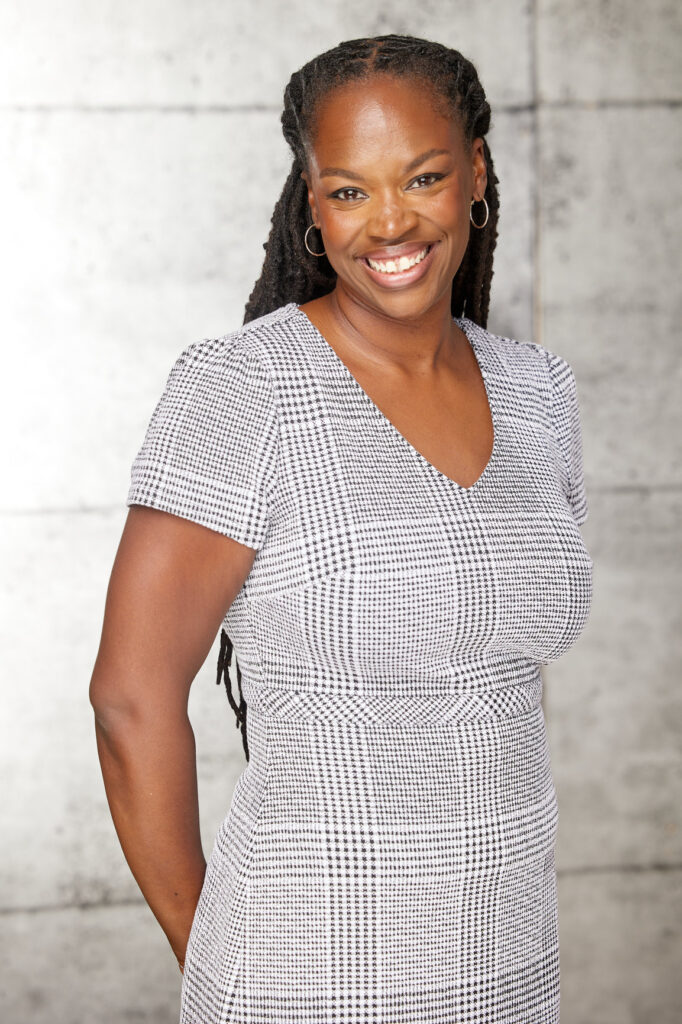
Calissa Ngozi. Photo Credit Lindsey MacDonald Photography
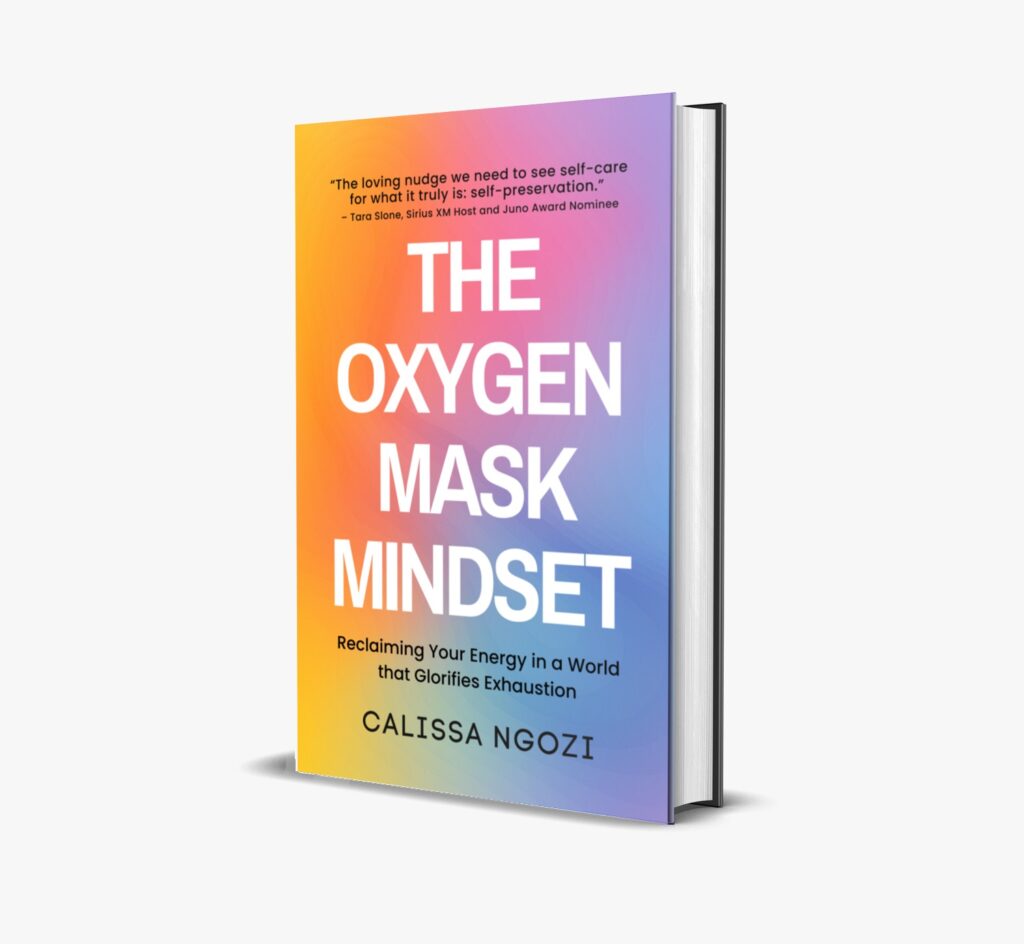
The Oxygen Mask Mindset. Image Courtesy Calissa Ngozi
“I think a big piece as parents we often forget is ourselves,” says Ngozi. “Parents often feel like, ‘where do I fit in?’ We want our kids to be successful, but we need to be successful as well. And as parents, we take on a lot. It doesn’t matter if we have one kid or seven, it’s a big responsibility.”
Ngozi learned a lesson on burnout the hard way. At age 12, she began volunteering part-time “because I knew that it was going to look really good on my resume.” In high school, the ambitious teen worked two jobs and attended summer school to get ahead. “I was burning the candle at both ends,” she says.
It wasn’t until a minor collapse in her early 20s that she realized she didn’t need to work four jobs in addition to attending university.
“When I tell you the amount of stress that was alleviated for me… I was helping everyone else except for myself, and it was to my own detriment,” she says. “If I had continued, I probably would have ended up in a mental health facility, because I couldn’t handle it anymore.”
While many people don’t get to that extreme, Ngozi says most people deal with heavy stuff that they don’t need to. Out of that grew Ngozi’s idea for the Oxygen Mask Mindset.
“As long as everyone else in my circle is safe and taken care of, I can take care of me as well,” says Ngozi. “For those of us who are parents and who are raising young humans, to be contributing members of society, we need to do this. This is also something we need to be teaching our kiddos too, that they’re allowed to put themselves first as well.”
Mental health, then and now
Twenty years ago, most people had colleagues, children and spouses who were going through things nobody knew anything about, because they didn’t feel comfortable talking about it, says Ngozi.
“Now we’re shining a light on positivity in mental health,” she says. “It’s OK to have moments where we’re feeling down, where we’re feeling pressure, but don’t live there. Have your moment of blah and then celebrate happiness.”
Set a good example for your kids
Parents need to keep in mind what they are modelling for their children.
“Are we teaching them that it’s OK to be stressed all the time, that it’s OK to feel burned out and emotionally exhausted or are we teaching them resilience?” Ngozi asks. She says children understand more than adults sometimes give them credit for. “The messages that we’re sending to them, sometimes without even saying anything, are just as important.”
The consequences of ignoring burnout
It’s important to understand the physical and mental impact of burnout.
Burnout can increase irritability, so that more things become triggers. Burnout can also manifest in physical symptoms that bodies try to fight off.
When someone is constantly in a state of high-functioning burnout, it leads to constant fatigue. “That constant feeling of waking up and waiting to go back to bed,” says Ngozi, “that’s a problem when we’re feeling so overwhelmed that we can’t function.” The good news is that there are ways of dealing with it.
The CARE Tool
Ngozi created the CARE (Clarity, Activity, Resilience and Engagement) tool for sustainable well-being.
C is for Clarity
“We over complicate things as a society and as people when we don’t need to be,” says Ngozi. To make things and expectations and priorities simple, people need to let go of unrealistic pressure and seek what genuinely matters to them.
A is for Activity
Physical activity is helpful for nervous system activation and regulation. “Especially for those of us that are in middle adulthood,” says Ngozi, “moving our bodies has been proven scientifically to help with stress levels.”
R is for Resilience
“Saying ‘no’ can be super hard, but it’s part of setting a healthy boundary,” says Ngozi, “and if you do this, it can change your life. I’m not saying it has to be in a disrespectful manner. Putting boundaries in place and knowing your limits is OK. That’s how things like healthy relationships get fostered. And it actually adds years to your life to be able to be resilient in that way.”
E is for Engagement
“You don’t want to be in toxic circles,” says Ngozi. “You want to surround yourself with people who understand you and support you in the ways that you need. You don’t want someone that is draining your battery.”
Use technology wisely
Technology can have a positive or negative effect. People are overloaded and distracted. Ngozi recommends placing limits on technology use and to put away the tech a couple of times a week.
“Whether it’s going for a walk before bed, reading a good book, sitting in front of the fireplace, doing meditation, yoga – whatever it looks like for you that will help you settle down –your brain will start to recognize what that means and it will actually increase your sleep, which, also, by the way, decreases stress, anxiety, depression and burnout.”
Look for micro recoveries
A mental reset – small mindful moments like deep breathing, stretching – and getting out into the sunshine as much as possible allow people to regain energy.
“Self-care is not a luxury,” says Ngozi. “It’s a birthright. And self-care doesn’t have to cost money.” Her suggestions include taking a bath, going for a walk, reading a book, baking and listening to music.
“It doesn’t have to be a [big commitment],” says Ngozi. “Find a moment where you can at least exhale.”
Find your community
Find people who are going though what you are going through and are willing to openly talk about it. There is victory in group dynamics when we’re willing to talk about it.
Prioritize your work
“It’s OK to put the laptop down,” says Ngozi. “You’re staying up until 11 or midnight because [the work] has to be done immediately, but you’re going to burn yourself out and eventually your work is going to suffer for it.”
Even now, Ngozi herself needs reminders. “That email does not need to be answered right now,” she says. “It is not a crisis situation. Take time for yourself and deal with it in the morning. It’s as simple as closing the door. You may have many people that are working for you or counting on you, but you also need to be able to count on yourself. At the end of the day, even leaders need to put themselves first.”
-30-

Photo Credit: Depositphotos
Calissa Ngozi’s list of self-care questions
What is one boundary that you can put in place in the next week or so?
What is one area of your life where you can say no?
How are you going to protect your peace? Your energy? Your time?
Over the next week or so, when are you going to incorporate five minutes for yourself? Can you increase it to 10 or 15 minutes without it negatively affecting you, your circle, your job or your well-being?
Can you engage in one honest conversation in the next week or two with someone you trust to help you feel less isolated?
QUOTABLE
“You’re allowed to feel inadequate at times. But if you live there, that’s when it can become an issue. That’s when we start to see things like low self-esteem, low self-worth, overcommitment and those unrealistic expectations.”
- Calissa Ngozi