


Editor’s Note: This story is a part of our series, The Gift, which appeared in the March 2026 issue.
When not driven by guilt or others’ expectations to donate but by inner altruism, sharing warms your heart and fills your cup
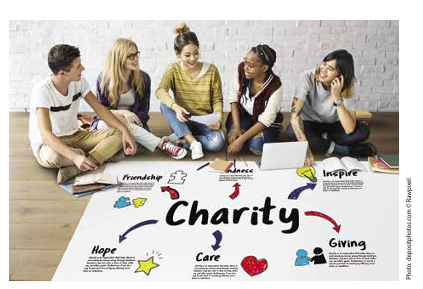
Giving can make you feel great. Photo Credit Depositphotos
The reason for the downturn in recent years? Economic challenges, the pandemic and changing demographics. But although these factors are valid, they do not address the crux of the matter. As many charities turn to a business model to survive, the fundraising professional has assumed a significant position on their boards.
Businesses are driven by profit and indirectly by a scarcity mentality, a mindset now assumed by the charitable sector. This may be causing them to miss the target in attracting contributions. Changing external conditions to appeal to you, the giver, may work in the short term, but as far as the heart is concerned, warming it up needs an internal solution. Let me explain.
There’s an element to charitable works that sometimes goes unnoticed, yet it defines the impetus – the motivation behind the desire to give, and it is self-love. How can this be? Isn’t self-love selfish?
The misconception exists that loving yourself is narcissistic. Yet a self-love centred around healthy self-care, self-esteem and self-acceptance actually allows you to look beyond yourself to others. In feeling good about yourself, you can make psychological space for understanding, appreciating, sympathizing and empathizing with others. When not distracted by your own goings-on, you can naturally and willingly make time for “your neighbour.” The inherent desire to have others feel as good as you do prompts simple and great acts of kindness.
Your present charitable acts, caretaking and donations are affecting future generations. In addition to helping those who need it, your giving also goes a long way in influencing how your children will respond to times of need.
Not to mention that it will make you feel great. According to an article by the Mayo Clinic, volunteering reduces stress and increases positive, relaxed feelings by releasing dopamine. By spending time in service to others, volunteers feel a sense of meaning and appreciation, both given and received, which can have a stress-reducing effect.
Imagine how good you will feel when you choose an individual, organization or initiative to help that aligns with your passion and interests? And what an effect this will have on your family? Perhaps you can include them in your activity choice and volunteering efforts. Cleaning up the park, delivering food baskets, growing vegetables in the community garden, visiting folks in residence, volunteering and running at Race Weekend, setting up a lemonade stand for donations, making get-well cards for kids at CHEO, participating in the Wiggle Waggle Walk & Run or even adopting a pet? I feel good just writing this – dopamine has been triggered. How good can it get for you and your family?
Sky’s the limit.
-30-