


As Ottawa’s Parent Resource Centre celebrates its 50th anniversary, experts reflect on what has changed – and what hasn’t – in the world’s most important job
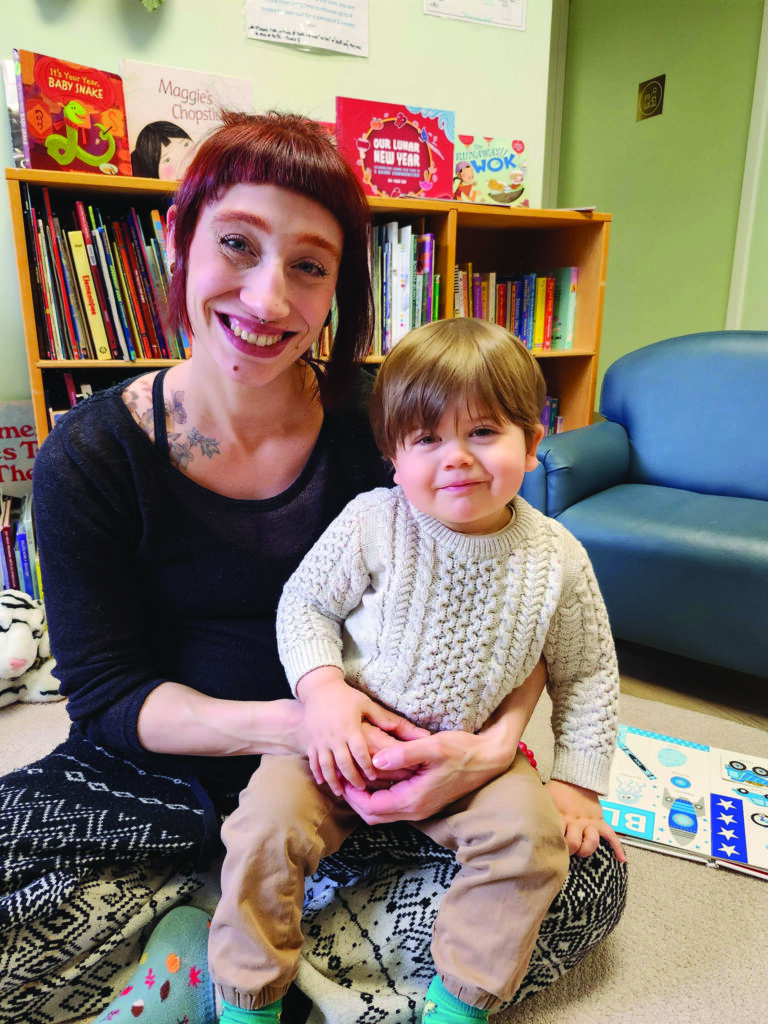
EarlyON family Inga and Johnny. Photo Courtesy Parent Resource Centre
It was 1975 and Ottawa had yet to have a central place where families with young children could go for reliable parenting information, practical resources or opportunities to connect with others.
Recognizing an opportunity to provide a service, a group of Ottawa parents, preschool teachers and community professionals formed the Parent Preschool Resource Centre the following year.
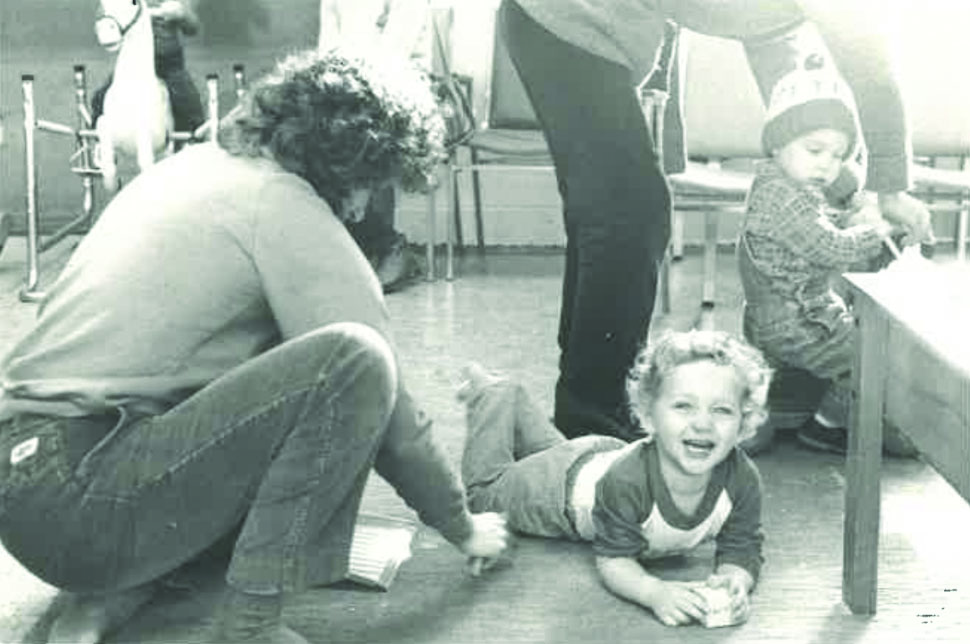
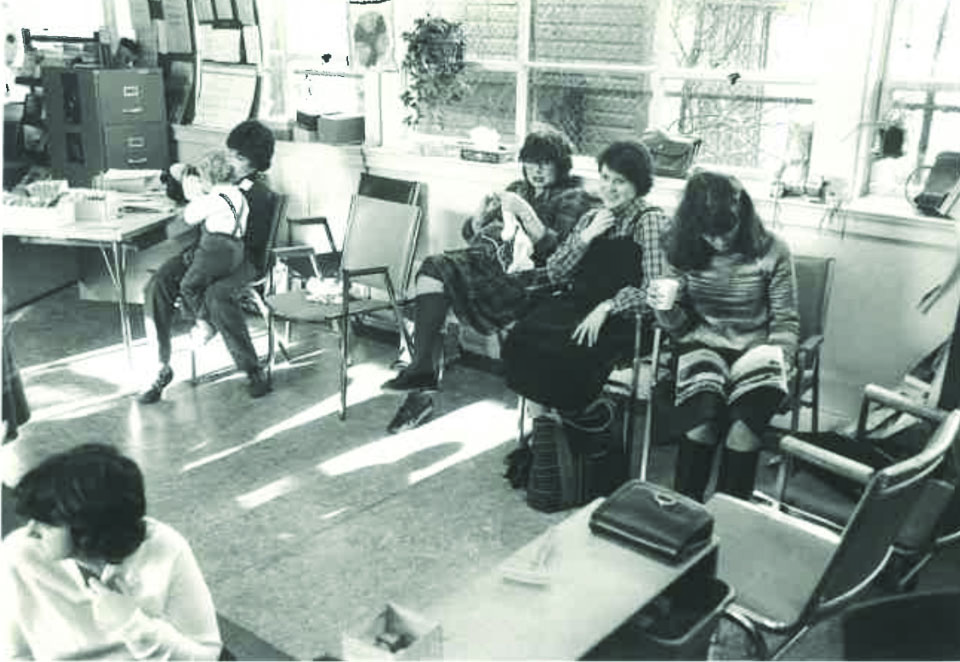
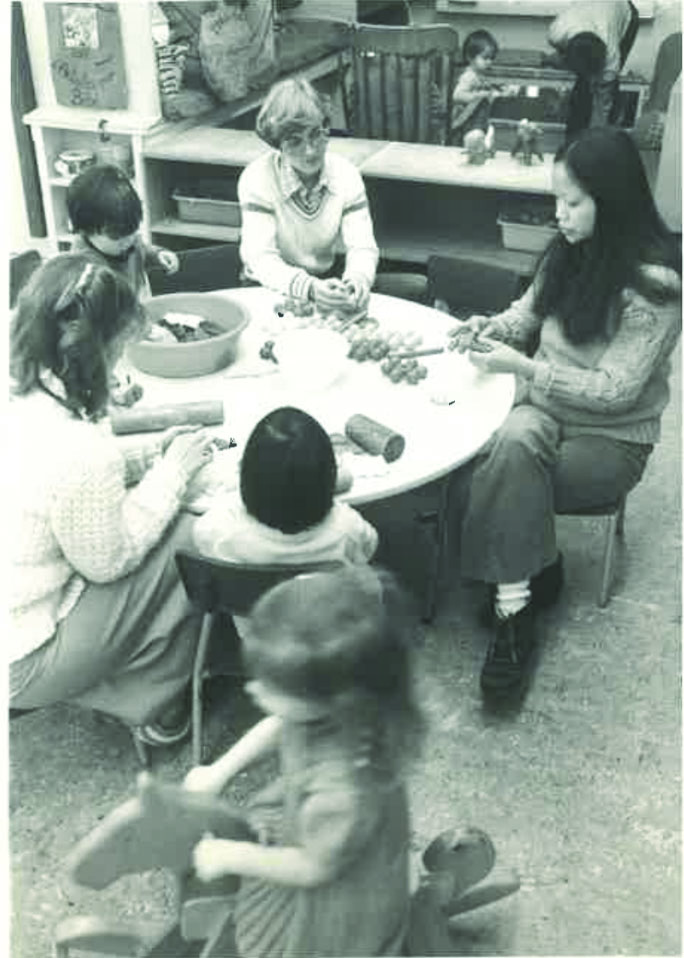
Parents brought their children to the drop-in playgroups and later on, toy- and book-lending libraries and took advantage of the opportunity to speak with early childhood professionals and meet other parents. It was a welcoming space they could come with their children, make friends, ask questions, exchange ideas and feel part of a community. Those informal connections became the heart of what is now the Parent Resource Centre (PRC).
“The PRC was built on the belief that parents are children’s first and most important teachers, and that raising children is strongest when families and communities work together,” says Kristen Holinsky, executive director of the Parent Resource Centre.

Kristen Holinsky. Photo Credit JÉRÔME
Half a century later after its doors first opened, the PRC’s earliest programs are still going strong. The EarlyON Child and Family Centre’s playgroups, infant and baby programs, special events, and toy lending library are the heart of the PRC’s daily activity, welcoming the largest number of families, but it’s through this program that many families discover the PRC’s wide range of offerings. These include free parenting workshops on a wide range of topics, evidence-based parenting programs and one-on-one support through the Family Resilience Program and Parent Support Line. Parents can also connect with community resources through PRC staff.
Families discover the PRC in many different ways. Some are referred by healthcare providers, midwives, family physicians, public health nurses, social workers, schools, childcare centres, or other community organizations. Others discover the PRC through friends, social media, community events, or online searches.
To Holinsky, the most powerful form of outreach is word of mouth. “Parents who have found friendship, encouragement, or practical support through the Parent Resource Centre often tell other families about us,” she says. “That’s one of the greatest compliments we can receive.”
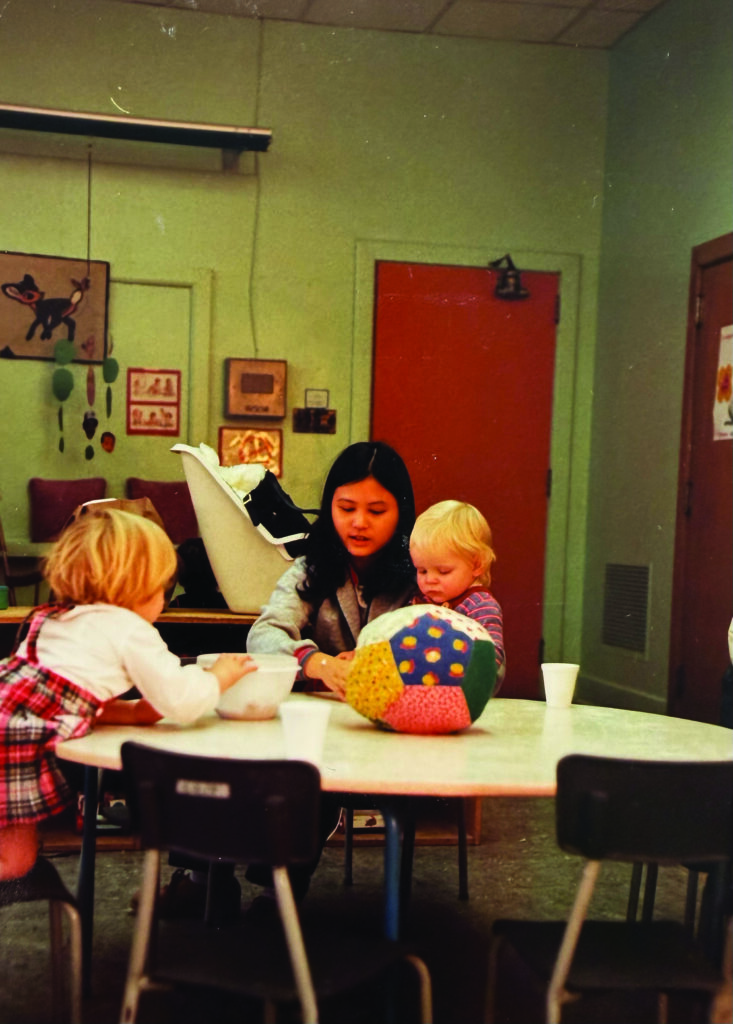
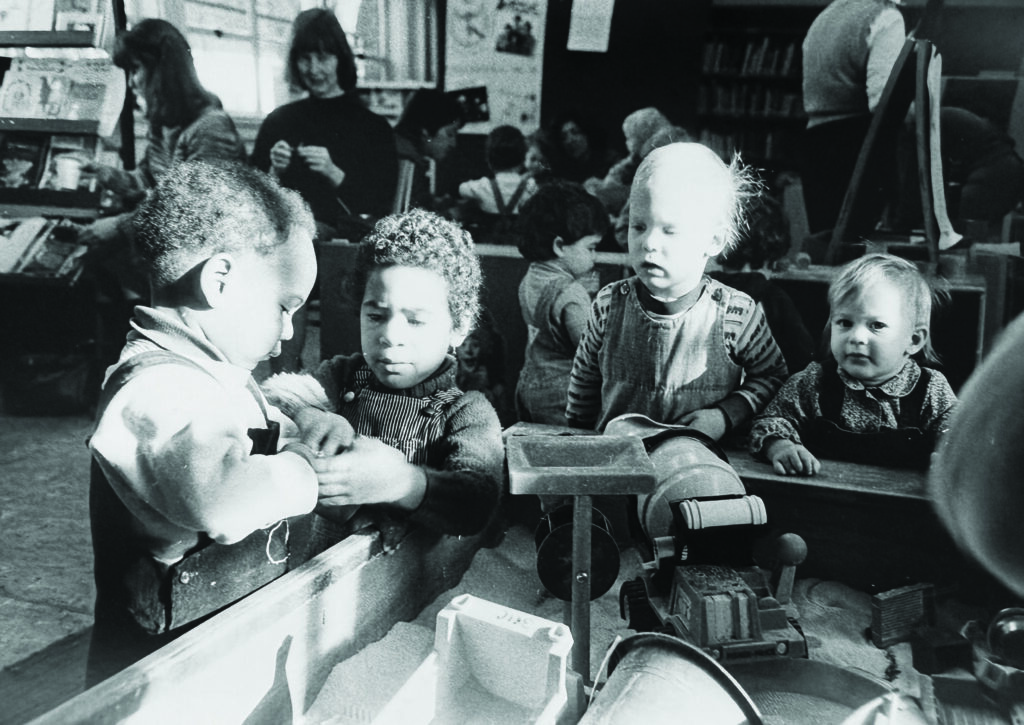
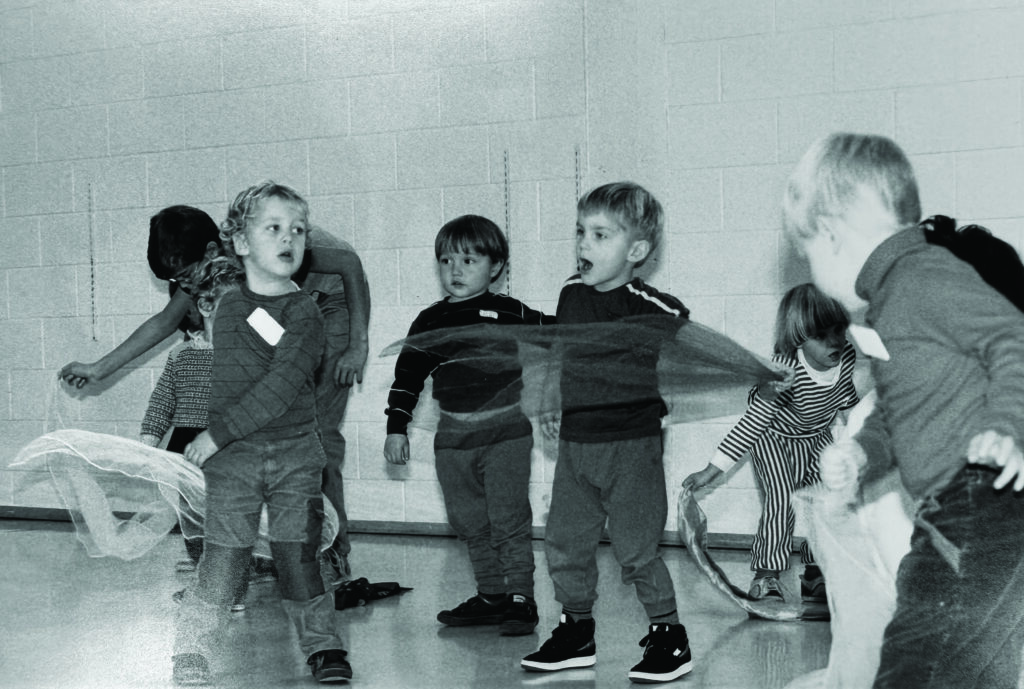
These historic photos of the Parent Resource Centre depict the centre’s many activity offerings through the years. Photos Courtesy Parenting Resource Centre
In the beginning
The challenges parents faced in the 1970s looked different than they do today, but many of the underlying needs of parents and families were remarkably similar, says Holinsky.
“Parents, particularly mothers caring for young children at home at the time, often described feeling isolated, uncertain, and disconnected from other adults,” she says. “Reliable parenting information wasn’t always easy to find, and many families lacked the extended family or neighbourhood networks that previous generations had relied on.”
Parenting in Ottawa today
Families are looking for two things: connection and practical support, says Holinsky. Parents want opportunities for their children to play, learn, and build relationships, but they are also looking to gain the confidence and tools to navigate everyday parenting challenges.
EarlyON playgroups remain the PRC’s most popular programs because they not only check all these boxes, but allow parents to build friendships, share experiences, and develop their own support networks, says Holinsky. “Those connections often extend well beyond our walls.”
Today’s parents are deeply engaged, says Holinsky. “They want to understand their children. Perhaps the biggest positive change is that conversations around parenting, child development and mental health have become much more open. Parents today are asking thoughtful questions, seeking support and intentionally reflecting on how they want to raise their children.”
Many parents are also making conscious choices to give their children experiences they may not have had themselves, adds PRC Family Resilience Program manager Charlene Kalubi.

Charlene Kalubi. Photo Credit Charlene Kalubi
They also have access to more information than any generation before them. Over the past 50 years, understanding of child development has grown tremendously, says Kalubi.
“Parents have more tools, more evidence and more openness around children’s mental health than ever before. Those are tremendous advances,” Kalubi says. But more information doesn’t mean parenting has become easier. “Today’s challenge is less about finding information than deciding which information deserves our attention,” she says.
Demands on parents have intensified and sees them balancing rising costs of living, housing pressures, more complex work and childcare demands, increasing awareness of children’s mental health, and the constant influence of technology and social media.
Many parents are also caring for their children without the informal support networks – neighbours, extended family and close friends – that previous generations relied on. PRC Family Resilience Program staff Dunia Taha says that needing to build support networks from scratch makes community organizations like the PRC more important than ever.
Ottawa has also become far more diverse in the past five decades, and the PRC supports newcomer families from around the world, single-parent and blended families, grandparents, families involved with Children’s Aid, parents of children with disabilities and caregivers navigating increasingly complex social, emotional and economic pressures.
“Families don’t fit into one mould,” says Taha. “We use evidence-based parenting programs as the foundation of our work, but we don’t believe there’s a one-size-fits-all approach to parenting. Our role is to walk alongside parents as they discover what works for their child and their family. Whether through a group program or one-on-one parent support, we’re there to help parents build on their own strengths and apply those ideas in ways that feel right for them.”
How the PRC has changed
Over the past 50 years, the PRC has evolved from primarily offering playgroups for young children to providing a much broader continuum of supports for families from birth through adolescence.
Parents today are looking for more than parenting tips, says Kalubi. “They’re looking for opportunities to reflect, build confidence, strengthen relationships, and better understand both themselves and their children.” The PRC responded by introducing evidence-based parenting programs like Circle of Security® Parenting and Triple P (Positive Parenting Program). When families shared that they needed more individualized guidance, the PRC expanded its one-on-one parent support services and its Parent Support Line.
When developing programs, Holinsky says staff look to the families, who she calls “the experts on their own lives. Through conversations, evaluations, community partnerships, and referrals, we pay close attention to the gaps families are experiencing and where additional support could make a meaningful difference.” They also look to the evidence. “We want our programs to reflect what research tells us about child development, parenting, and family well-being, while still being practical and accessible for everyday families,” she says.
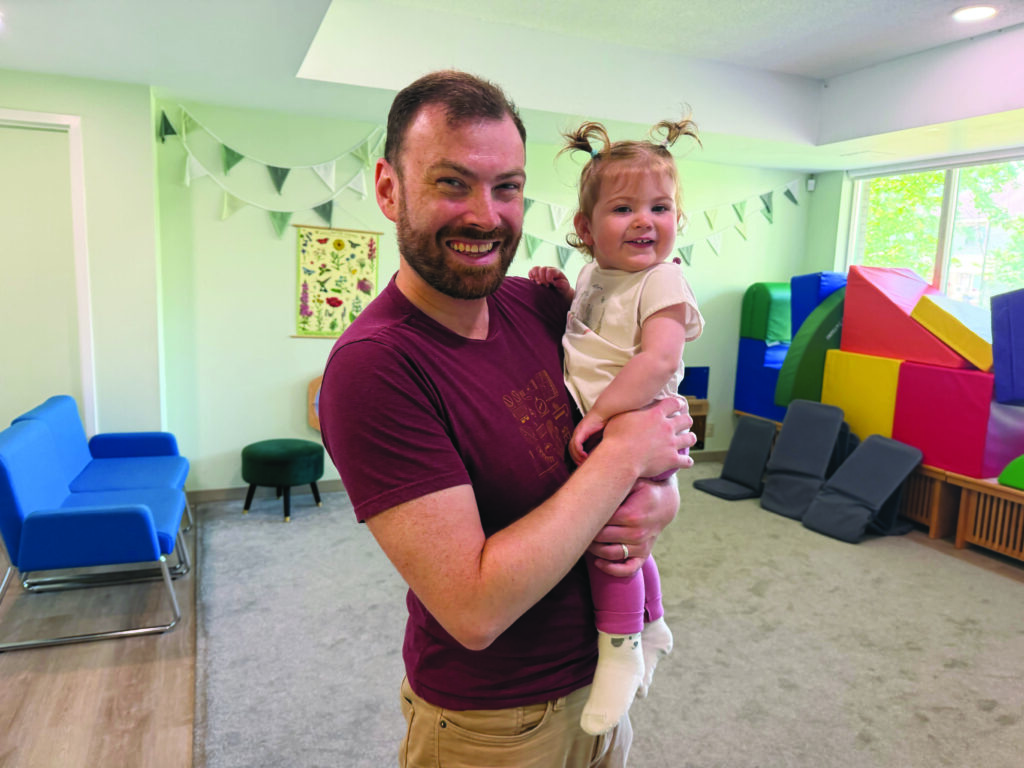
A father and daughter at the PRC. Photo Courtesy Parent Resource Centre
Parenting challenges in 2026
One of the biggest challenges facing parents today is the pressure they place on themselves. “Parents care deeply about raising kind, resilient, emotionally healthy children,” says Holinsky, “but many feel as though every decision carries enormous weight – [they feel that] choosing the right childcare, the right school, the right parenting approach, or responding perfectly in every difficult moment will determine their child’s future.” Combined with financial pressures, social media, and constant exposure to expert advice, it’s understandable that many parents feel overwhelmed, she says.
PRC staff remind families that children don’t need perfection.
“They need parents who show up, who keep learning, who repair when things don’t go as planned, and who are willing to grow alongside their children,” says Holinsky.
There is no single right way to parent, confirms Dr. Maggie Mamen, clinical psychologist and member of the PRC’s board of directors, adding that parenting isn’t about finding one perfect formula; it’s about working together to meet the unique needs of each child.

Maggie Mamen. Photo Courtesy Parent Resource Centre
One of the things Kalubi observed is that parents often arrive looking for solutions to a specific challenge, but they leave with something even more valuable: confidence in themselves. “They discover that they are capable, that they can adapt, and that they already have many of the strengths their children need,” Kalubi says.
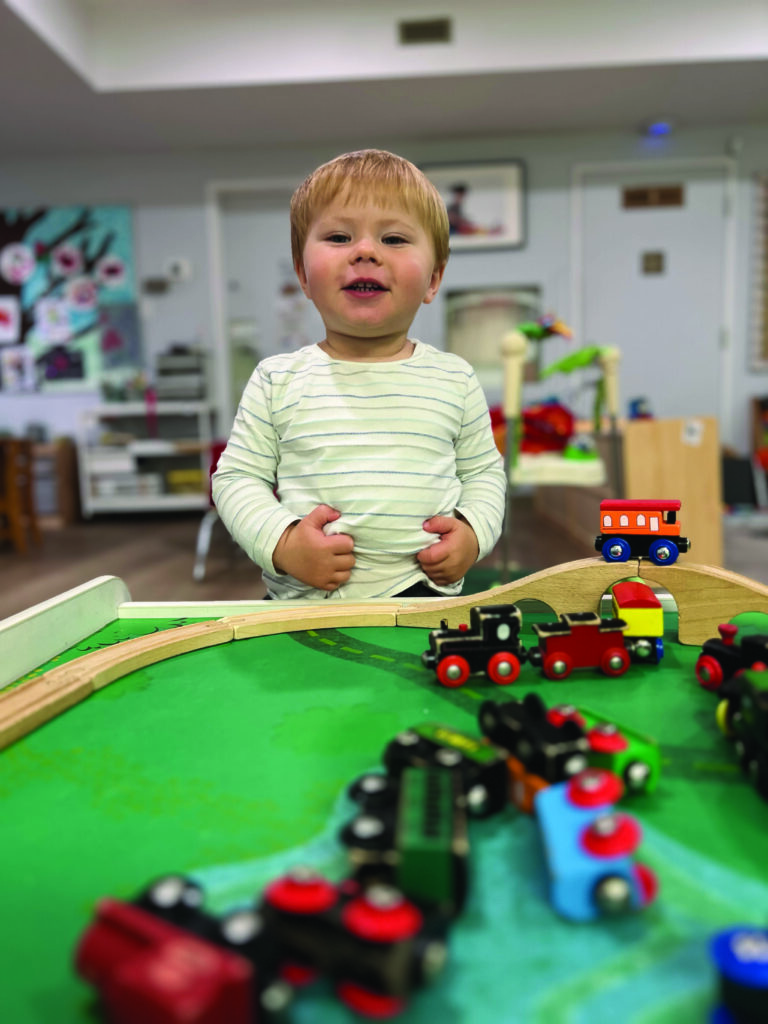
A child at EarlyON. Photo Courtesy Parent Resource Centre
Overcoming barriers
While one of the PRC’s goals is “to foster the support children need to discover and develop physical, cognitive, emotional, and social skills that will enable them to live the best life possible, regardless of barriers they may face,” not every child begins with the same opportunities or support.
Barriers range from the practical to the emotional and can include financial pressures, housing instability, food insecurity, or limited access to affordable childcare. Other barriers include adjusting to life in a new country, experiencing social isolation, or caring for a child with additional developmental, physical, or mental health needs.
Other barriers happen simply because times have changed. “Children are growing up in a faster-paced world where opportunities for unstructured play, face-to-face interaction, and time outdoors have become increasingly limited,” Holinsky says. “Families are busy, communities can feel less connected, and many children have fewer opportunities to build confidence through everyday exploration and relationships.”
One area where PRC staff have seen a significant increase is the number of families seeking support around children’s behaviour, emotional regulation and neurodevelopment.
“Parents are asking thoughtful questions about everything from sensory needs and anxiety to ADHD, autism, and other developmental differences,” Holinsky says. The PRC has responded to this emerging need by introducing evidence-based parenting programs including Stepping Stones Triple P.
“Ultimately, our role isn’t to remove every challenge a child or family may face,” says Holinsky. “It’s to help ensure every child has caring adults, secure relationships, and opportunities to develop the confidence, resilience, and sense of belonging that will help them navigate whatever life brings.”
What’s next for the PRC?
Over the past 50 years, the PRC has worked with thousands of families from a variety of backgrounds and circumstances.
“What families need isn’t judgment or another expert or blog,” says Holinsky. “They need trusted information, practical support, encouragement, and a community that reminds them they’re not alone.” It’s these families that will continue to shape the work that the Parent Resource Centre does.
While PRC’s roots remain in supporting families with young children through play, the organization has expanded its services to include parenting programs, in-home support, a parent support line, professional learning, and resources that support families from birth through adolescence. This is done through paying close attention to the questions parents are asking, the challenges they’re experiencing, and the gaps they identify in the Ottawa community. “Those conversations,” says Holinsky, “directly influence how our programs grow and evolve.”
This fall, the PRC will be introducing Stepping Stones Triple P, a specialized evidence-based parenting program for families raising neurodivergent children or children with developmental disabilities and additional support needs, as well as a new Kindergarten Readiness Pathway. The pathway includes Little Sparks, a weekend drop-in playgroup for children and caregivers; Mindful Movers, which focuses on movement and self-regulation; and Learning Leaders, which helps children build the literacy, numeracy, social, and independence skills they’ll use in kindergarten.
Looking ahead further, PRC’s goal is to continue evolving to meet the changing needs of Ottawa families while staying true to values that have guided the organization for 50 years.
“Families’ needs will continue to change,” says Holinsky. “Technology will continue to evolve, the pace of life will remain fast, and many families will continue to face financial pressures, changing work patterns, and the challenge of raising children without the informal support networks that previous generations often relied on, so our role is to keep listening, learning, and adapting,” says Holinsky.
What hasn’t changed, and won’t change, says Holinsky, “is why families come to the PRC. “Parents are looking for practical support, reassurance, connection, and a community that reminds them they don’t have to do this alone.”
-30-
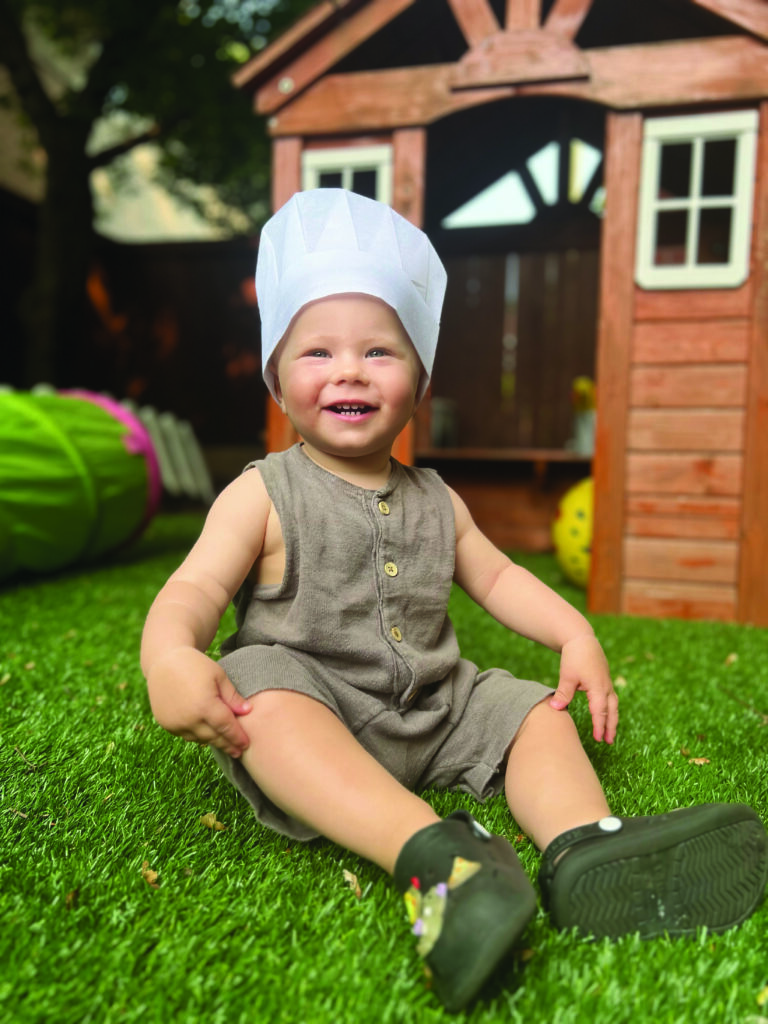
A child attends the EarlyON program. Photo Courtesy Parent Resource Centre
Parent Resource Centre’s programs and services
- EarlyON Child and Family Centre
- Family Resilience Program
- Circle of Security® Parenting™ Group
- In-Home Parenting Support
- Parent Support Line (Call-In)
- Professional Resources
- Parent Resource Library
- Toy Lending Library
Celebrating 50 years
- The PRC marks its milestone anniversary with a series of free community events and the $50 for 50 Years community fundraising campaign. Learn more at ca/50for50
- Fifty Years Together: A Community Celebration with music, games, arts and crafts, community activities, special guests, and opportunities to connect with local organizations will be held August 21 and 22 at the PRC.
- Throughout the fall, the PRC continues marking its anniversary with family movie nights, arts activities, special events and workshops. Visit ca/program-schedule for more information.
“One of the greatest shifts over the past 50 years has been our understanding of child development. We now know so much more about children's emotional development, attachment, brain development, and mental health than previous generations did. That knowledge has helped us better understand children's needs and has given parents many more tools to support their development.”

Maggie Mamen, clinical psychologist and member, PRC Board of Directors


“Hearing from other parents that I'm not alone has made a huge difference. Knowing that other people have difficult days too has helped me trust myself more and realize that what I'm experiencing is normal.”

Sophie, parent and PRC client